China Intangible Cultural Heritage Map

Explore China's intangible cultural heritage through an interactive map, category filters, and authoritative sources.
- 1 page
- 1 dataset
- 2 languages
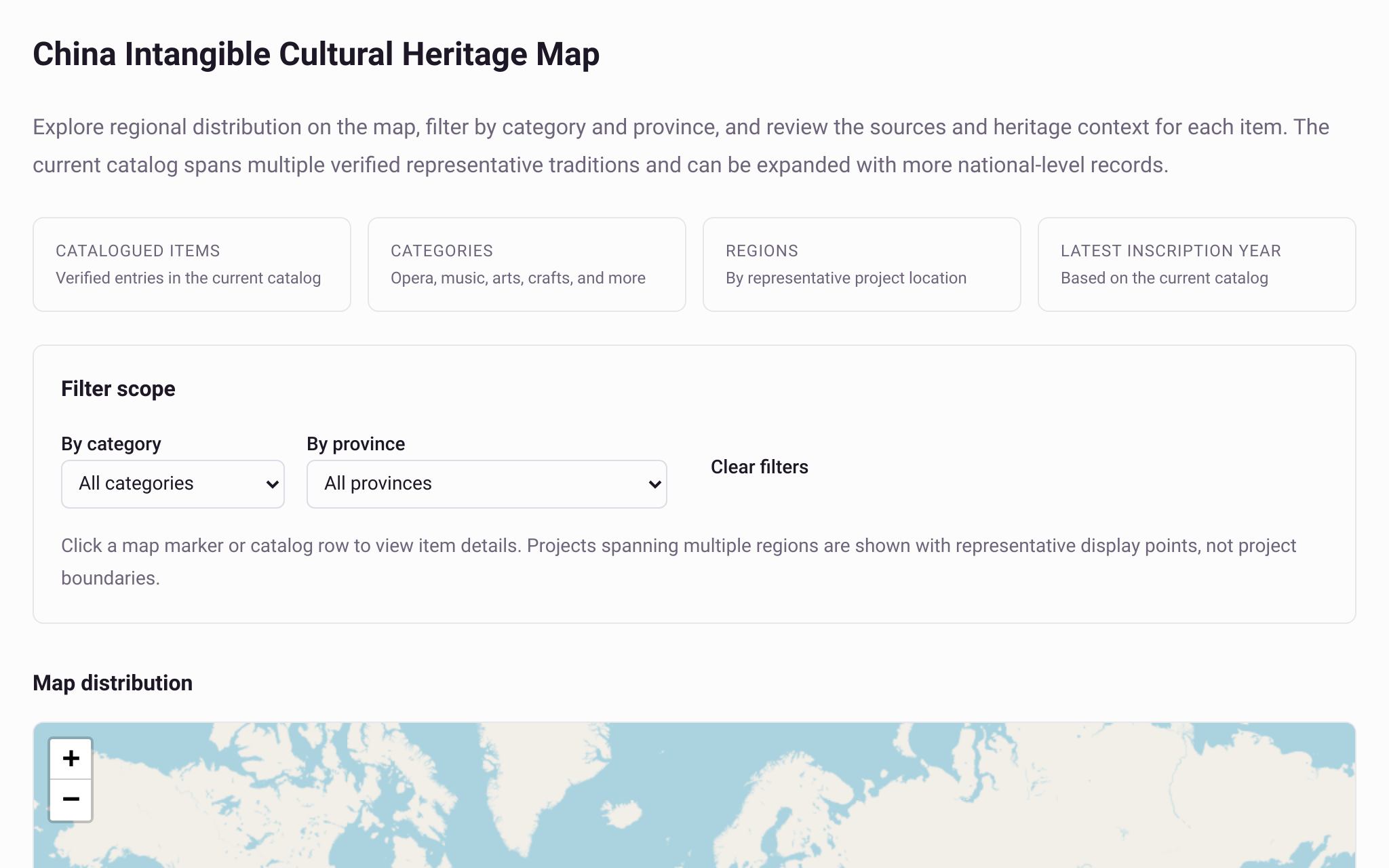
About China Intangible Cultural Heritage Map
Explore China’s intangible cultural heritage map to see where representative traditions are associated with particular regions. Filter the interactive map and catalog by category or province, covering opera, music, crafts, arts, festivals, and other traditions.
Select a map marker or catalog row to view an item’s description, representative location, inscription year, list level, coordinate note, and source. Where a tradition spans several regions, the app identifies the marker as a representative point rather than a project boundary.
The map is useful for cultural trip planning, regional heritage research, and learning about Chinese traditions. It opens free in a web browser with nothing to install, and supports Simplified Chinese and English.
What you can do
- Map representative heritage locations across China
- Filter items by category or province
- Sort the catalog by inscription year
- View descriptions, list levels, and coordinate notes
- Open authoritative source links for each item
- Switch between Simplified Chinese and English
Frequently asked questions
- How do I explore China’s intangible cultural heritage map?
- Select a map marker to open its heritage details, or filter the results by category or province first. You can also select any row in the catalog.
- Can I find Chinese intangible heritage by province or category?
- Yes. Province filters cover the regions represented in the catalog, while category filters include traditional opera, music, crafts, arts, festivals, folk beliefs, sports, literature, and medicine.
- What information is shown for each heritage item?
- Each detail view includes the item name, category, region, representative location, inscription year, description, source, coordinate note, and list level, plus an external source link.
- Do map markers show the full geographic extent of each tradition?
- Not always. Traditions found across multiple regions use representative display points. The coordinate note explains this, and markers should not be read as project boundaries.
- Do I need to install or pay to open the map?
- No installation is needed. The app can be opened for free in a web browser.
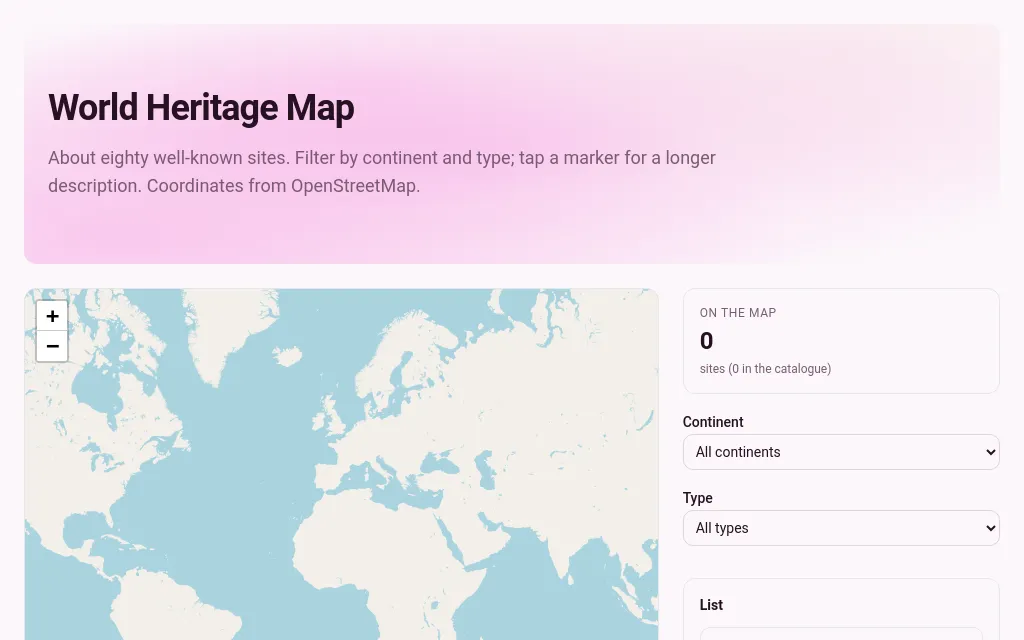
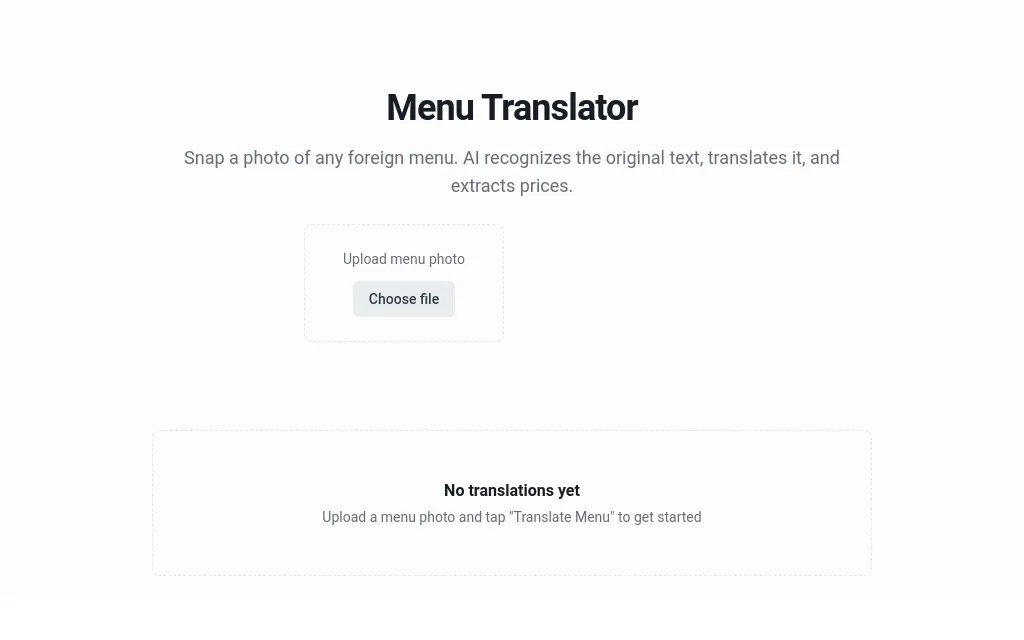
More like this
Explore more apps →

This app was built on Yuan from a single prompt.
Build your own app for free →